• Site search

News Analysis . Industry

Analysis: The dire consequences of trustee mismanagement

Professional Pensions | 16 Feb 2012 | 08:00

carpet-cleaning

Following The Pensions Regulator banning three ex-trustees of the Hugh MacKay pension scheme, Michael Bow looks at education and safeguard issues raised by the governance failure.

Hugh MacKay carpets have decorated some of the world’s most prestigious locations.

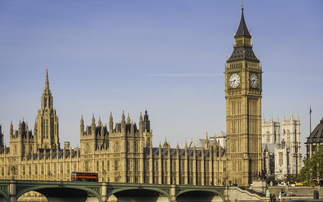
From the Houses of Parliament to Windsor Castle, the Durham firm’s Royal Warrant – which authenticates firms supplying goods or services to royalty – guaranteed its woven axminsters bedecked the residences of Her Majesty the Queen herself.

Its carpets were even said to be fitted in Caesar’s Palace in Las Vegas. Yet the trustees of the Hugh MacKay Retirement Benefits Scheme were involved in gambling of a different kind.

“The most worrying examples of mismanagement of a final salary pension scheme that we’ve seen.” This was The Pensions Regulator chief executive Bill Galvin’s clinical verdict on the trusteeship of the 450 member scheme.

Last week the regulator banned three ex-trustees for life after uncovering “serious and persistent” breaches of investment regulations and legislation on trustee knowledge concerning the scheme.

The regulator found that money paid into their pension fund by Hugh MacKay employees had been invested in property owned by a developer who also happened to be a member of the trustee board. The two other men were advisers to the sponsoring firm as well as being trustees.

“Fortunately, incidences of this kind are rare,” Galvin said. “The vast majority of pension trustees take a very different approach to discharging their duties.”

But as a case sitting at the extremities of trusteeship, the governance failures of the Hugh MacKay scheme raise important issues for the industry – both about trustee education and the safeguards in place to prevent investment breaches from trustees.

Background

Hugh MacKay employees started with a sponsoring employer in the carpet manufacturing sector and ended it with an employer far removed from textiles – a property development firm.

The scheme was cut loose from its original sponsoring employer in May 2003 and the role passed to Chartpoint, a company set up in February 2003 by property developer Robert Hill.

However, Hill was also appointed trustee for the scheme.

At the time the scheme was invested predominately in managed funds with no specified property investment. By 2009, it was almost 87% invested in direct property investments.

Accounts show the Hugh MacKay Retirement Benefits Scheme paid £1.15m to Chartpoint in the four years 2006 to 2009 in respect of the provision of services to the scheme and commission on the sale or refinancing of investments.

Two other men, Nicholas Halton, and Simon Ragg, were appointed to help administer and advise the scheme. They also happened to be on the payroll of Chartpoint.

Categories: Industry

Topics: Tpr, Bill galvin, Retirement benefits scheme, Pi consulting, Nabarro, Norton rose, 2004 pensions act

  • Comment
  • Print this page
  • Share

Recent comments

There are no comments submitted yet. Do you have an interesting opinion? Then be the first to post a comment.

Professional Pensions Jobs

deal maker content image

Professional Pensions Jobs

Professional Pensions jobs for all the industry’s latest vacancies. Visit now to find your perfect job.

Advertisement

Advertisement

Advertisement

Advertisement