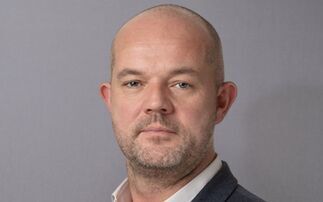


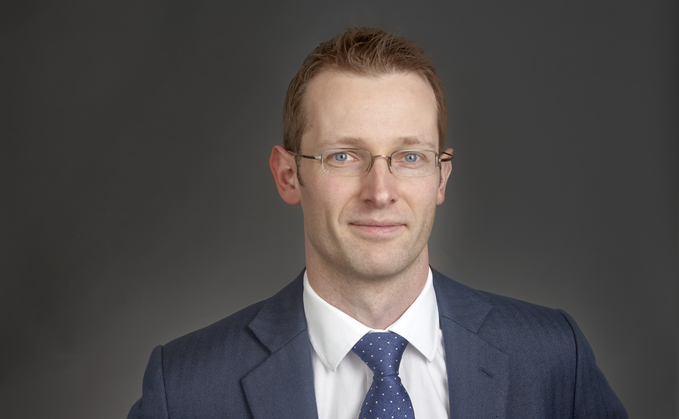
Excluding certain assets is a “key tool” for improving a scheme’s ESG credentials, according to Sackers partner Stuart O’Brien.
Speaking today at the Sustainable Investment Festival 2022, O'Brien argued that to date, "not many trust-based pension schemes have had exclusion policies", despite exclusion being vital for improving on ESG.
He noted that more recently, trustees have been looking at excluding companies with particularly damaging environmental aspects but said in practice there are "different degrees of exclusions".
These, he said, can range from a hard exclusions list including companies that schemes will never invest in, to a more soft exclusions list in which the companies off limits may change from time to time. He also noted there are "a number of ways to adopt these".
O'Brien also noted that recently, schemes have been "voluntarily setting net-zero targets and ambitious interim targets". He said in the move to net zero, "engagement is going to be a stronger tool than divestment".
He also argued that a trustees' fiduciary duty is "not simply about maximising returns". He urged trustees to exercise their investment power for its "proper purpose". While trustees have a "bundle" of fiduciary duties, he said they need to "consider the role as that of a prudent investor, investing on behalf of someone else".
"There is a general requirement on trustees to make sure investments are grounded in things that are financially relevant."
He urged the industry to "think bigger picture". "Rather than narrowly focusing in on companies, look at the ESG approach and set a broader framework - part of which will include exclusions."
He also warned the industry to start considering systemic risk as a "relevant factor" and start "addressing it in practical decision making".