

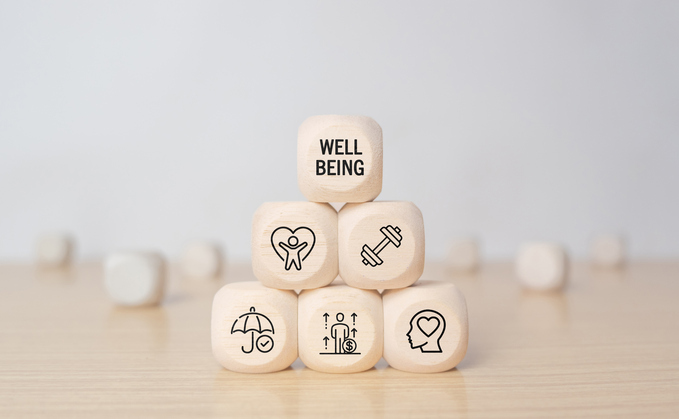
As someone who’s spent years helping organisations build healthier workplace cultures, I’ve always believed wellbeing shouldn’t stop at the office – or at retirement.
That's why the recent shift from The Pensions Regulator, encouraging funds to use surpluses to strengthen member engagement, feels like such an important step for the sector. It recognises something many of us in the health and wellbeing sector already know. People engage best with their finances when they feel informed, supported, and well.
This idea began to evolve some years ago, when the Merchant Navy pension funds championed the idea that supporting member wellbeing wasn't just a "nice to have", but a strategic asset. During the Covid pandemic, we worked with them to deliver highly successful live webinars on wellbeing topics that engaged thousands of their members from around the world. I wonder how many pension funds have received thanks from their members for offering "remarkable rejuvenation and inspiration for older members" or "this incredible bonus"!
Those early strategies have now grown into long-term partnerships, including with Pension Insurance Corporation (PIC), where we've spent the last three years delivering on-demand wellbeing content and supporting their member conference with our interactive health kiosks.
What's especially interesting now is how member wellbeing has quietly become a differentiator in the buy-in and buyout landscape.
Insurers are looking for ways to stand out when they're in front of trustees and chairs, and meaningful, engaging support for members is fast becoming part of that value proposition. It's no longer only about financial security; it's about human security. When schemes invest in wellbeing, they invest in members who make better decisions, and live healthier retirements.
From a wellbeing strategists' perspective (and as a Swede who grew up with the belief that our health should be supported through life), this shift feels both logical and overdue. Preparing for retirement isn't just a financial transition — it's also a wellbeing transition. Canada Life said it beautifully when we spoke recently: retirement is one of the biggest lifestyle transitions we go through. We tend to prepare financially, but not emotionally or practically. We want to prepare people holistically.
And from a pension fund trustee perspective, it's becoming increasingly apparent that your relationship with scheme members doesn't have to be – indeed, should not be – restricted to a simple financial transaction.
Trustees could offer so much more than just delivering a retirement income. Whether that means more flexible forms of payment, the option of discounts on other services, or help and support on a range of wellbeing issues from financial to physical and mental health, trustees are in a unique position to make a more positive long-term contribution to the lives of their members.
As one pension trustee chair has said to us: "I think fiduciary duty has to extend beyond just delivering pension income. We also need to be much better at keeping in touch with our members and exploring ways to support them in retirement - after all, we're in a uniquely strong position to do so."
The reality is, whether you're a working-age employee or a pensioner, wellbeing needs don't disappear — they change. That's why the link between staff wellbeing and member wellbeing is so powerful. It sends a simple message: we care about people at every stage.
As more funds and insurers begin building wellbeing into their engagement strategy, I'm excited for what this means — not just for the industry, but for the real people behind the data. Because when we support healthier, happier members, we're not just meeting regulatory expectations. We're raising the standard of what good looks like.
Carin Söderberg is strategic wellbeing director at Wellbeing People